7 Brew Grand Opening Raises Taxpayer Traffic Questions
When a new 7 Brew grand opening rolls into town, the excitement is real — but so is the traffic. A recent opening has sparked a public debate in Lincoln County over whether local taxpayers were on the hook for traffic control costs tied to the wildly popular coffee chain’s launch. The controversy is shining a spotlight on how municipalities handle the surge of customers that inevitably follows a 7 Brew arrival.
Announcement Summary
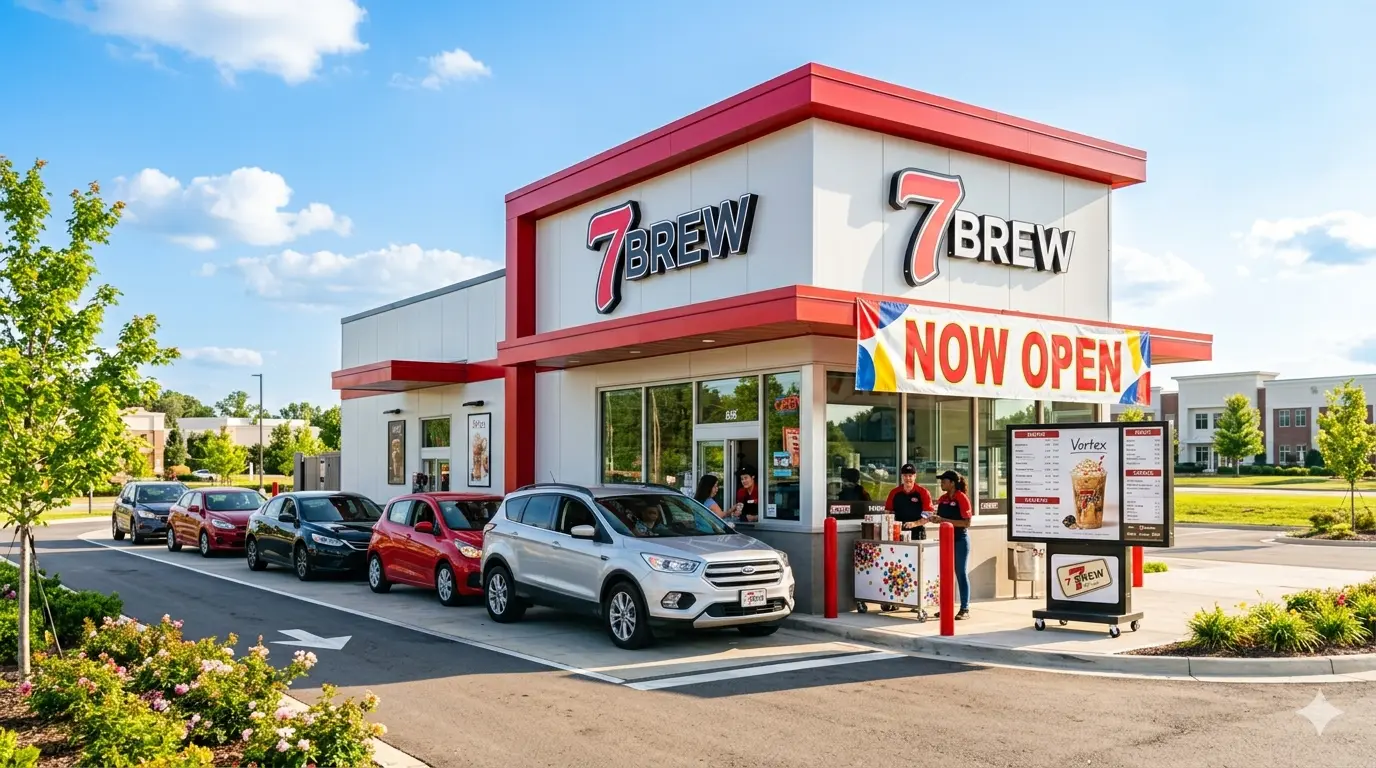
A report from Lincoln County Watch has brought forward concerns that local law enforcement or traffic management personnel — funded by taxpayers — were deployed to manage the massive vehicle queues generated by a 7 Brew grand opening event. Grand openings for 7 Brew locations are notoriously high-traffic affairs, often drawing hundreds of cars within the first few hours of operation. The question being raised is straightforward: should a private business’s opening day chaos be managed on the public dime?
7 Brew has built its brand around the drive-thru experience, which means traffic impact is essentially baked into their business model. If you’re curious about what draws so many people in, check out the full 7 Brew menu prices to see exactly what the buzz is about.
What Changed
While it is common practice for municipalities to require traffic management plans from businesses as a condition of permitting, the specifics of who pays for that management can vary widely. In some jurisdictions, businesses are required to hire private traffic control companies or reimburse the city for officer time. In others, the cost falls to the public. Lincoln County residents are now asking which model was applied here — and whether proper oversight was in place before the doors opened.
The Lincoln County Watch report suggests that the level of traffic generated by the 7 Brew opening was significant enough to require active intervention, raising the stakes of the funding question. This is not the first time a 7 Brew opening has created traffic concerns; the chain’s popularity regularly produces lines stretching far beyond parking lots and into public roadways.
Why It Matters
This issue touches on a larger national conversation about the relationship between large retail and food service chains and the communities they enter. When a business model is built on volume — and 7 Brew is absolutely a volume-driven operation — the infrastructure strain on surrounding roads and intersections is predictable and, critics argue, foreseeable. That makes the question of who pays for traffic control a matter of basic fairness.
For 7 Brew fans and local residents alike, understanding 7 Brew FAQs about how locations operate can provide helpful context about why openings generate such extraordinary demand. The chain’s reputation for fast, friendly service and a massive customizable menu brings in enormous crowds — but that popularity has a logistical cost.
Customer Impact
For everyday customers, the grand opening experience at any 7 Brew is a mixed bag. The excitement is genuine and the deals offered during opening events are often exceptional, drawing in new customers who become long-term regulars. However, the traffic congestion that accompanies these events can frustrate residents who live or work near the new location.
Long-time 7 Brew fans know the drill — arrive early, be patient, and expect a wait. For newcomers, the experience can either seal the deal or send them packing. The 7 Brew Rewards Program is one way the brand retains those first-time visitors who stick around past the grand opening chaos.
Industry Context
7 Brew is far from the only drive-thru coffee chain to generate significant traffic at new openings. Dutch Bros, Scooter’s Coffee, and even Starbucks have all faced similar situations in various markets. What sets 7 Brew apart is the speed of its national expansion and the intensity of its grand opening events, which the brand actively promotes and markets for maximum impact.
Municipalities across the country are grappling with how to regulate these high-traffic openings fairly. Some cities now require traffic impact studies before permits are issued for drive-thru-only concepts. Others have begun mandating that businesses post bonds or pay deposits to cover public safety costs associated with grand openings. Lincoln County’s situation may push local officials toward similar policy conversations.
| Chain | Opening Traffic | Cost Model | Policy |
|---|---|---|---|
| 7 Brew | Very High | Varies | Developing |
| Dutch Bros | High | Business Paid | Established |
| Scooter’s Coffee | Moderate | Mixed | Case-by-Case |
| Starbucks | Moderate | Business Paid | Standard |
Future Outlook
As 7 Brew continues its aggressive national expansion, these types of community concerns are likely to become more common. The brand shows no signs of slowing down, and each new market entry brings the same surge of excitement — and the same logistical challenges. Local governments that are proactive about establishing clear policies before a 7 Brew comes to town will be far better positioned than those caught scrambling on opening day.
For fans tracking new openings and wanting to know what to expect from the menu before visiting, the 7 Brew Nutrition Calculator is a handy tool to plan your order in advance and skip some of the decision-making time at the window — a small but meaningful contribution to keeping lines moving.
Pros and Cons
- ✓ 7 Brew grand openings bring significant economic activity and excitement to local communities
- ✓ The controversy has sparked a valuable public conversation about business accountability and municipal policy
- ✓ Increased scrutiny may lead to fairer, clearer traffic management agreements for future openings
- ✗ Taxpayers may have absorbed costs that should have been the responsibility of a private business
- ✗ The lack of clear policy created confusion and public frustration that could have been avoided with better planning
Our Take
Here’s the honest truth: 7 Brew is not a small neighborhood coffee shop stumbling into success by accident. This is a rapidly scaling national chain with a business model that is engineered to create enormous opening-day demand. That means the traffic impact of a grand opening is not a surprise — it is a feature, not a bug. When local governments fail to require businesses to fully account for that impact upfront, the public ends up absorbing costs that belong on the balance sheet of a profitable private enterprise. Lincoln County’s situation should serve as a wake-up call for every city and county that has a 7 Brew in the pipeline. Get the traffic management agreements in writing, get the funding commitments secured, and do it before the ribbon is cut — not after the chaos starts.
Frequently Asked Questions
What happened at the 7 Brew grand opening in Lincoln County?
Reports from Lincoln County Watch indicate that traffic control was deployed during a 7 Brew grand opening event, raising questions about whether taxpayer funds were used to manage congestion caused by the private business’s launch.
Is it normal for 7 Brew grand openings to cause major traffic?
Yes, 7 Brew grand openings are known for generating extremely high traffic volumes. The chain actively promotes its openings, which draws large crowds and long drive-thru lines that frequently spill onto public roads.
Who is responsible for paying for traffic control at a business grand opening?
This varies by jurisdiction. In many areas, businesses are required to hire private traffic control or reimburse the municipality for officer time. When no clear agreement exists, the cost can fall to taxpayers by default.
Has 7 Brew faced similar controversies in other locations?
Traffic concerns at 7 Brew openings have been noted in various markets across the country, though the specific question of taxpayer-funded traffic control in Lincoln County appears to be drawing unusual attention.
What can cities do to prevent this situation in the future?
Cities can require traffic impact studies before issuing permits for drive-thru-only businesses, mandate that companies fund their own traffic management plans, and establish clear cost-sharing agreements before any grand opening takes place.
Does 7 Brew work with local governments on traffic planning?
7 Brew works within local permitting processes, but the level of coordination on traffic management varies significantly from location to location depending on municipal requirements and local policy.
Will this controversy affect future 7 Brew openings in the area?
It is possible that increased public attention could lead local officials to adopt stricter requirements for future drive-thru business openings, potentially affecting how 7 Brew and similar chains plan their grand opening events.
Bottom Line
The 7 Brew grand opening controversy in Lincoln County is about more than coffee — it is about accountability, transparency, and the relationship between fast-growing businesses and the communities they enter. 7 Brew’s popularity is undeniable, and its grand openings are extraordinary events by design. But when public safety resources are pulled into service to manage private business traffic without clear cost agreements in place, that is a policy failure worth examining. As 7 Brew continues to expand nationally, both the brand and the municipalities welcoming it have a responsibility to get ahead of these issues. Better planning protects taxpayers, smoother openings serve customers, and clearer policies build the kind of community trust that makes a new business location genuinely welcome from day one.
Key Takeaways
- A 7 Brew grand opening in Lincoln County has raised questions about whether taxpayer-funded traffic control was used during the event.
- 7 Brew openings are known for generating exceptional traffic volumes due to the brand’s popularity and aggressive marketing of launch events.
- The controversy highlights a gap in how some municipalities plan for and fund traffic management at high-volume private business openings.
- Other drive-thru coffee chains have faced similar issues, but clear advance agreements between businesses and local governments can prevent public cost absorption.
- As 7 Brew expands nationally, this case may prompt more cities to establish formal traffic management funding policies before issuing permits.