Iced vs Hot 7 Brew Coffee – Does Temperature Change the Calories?
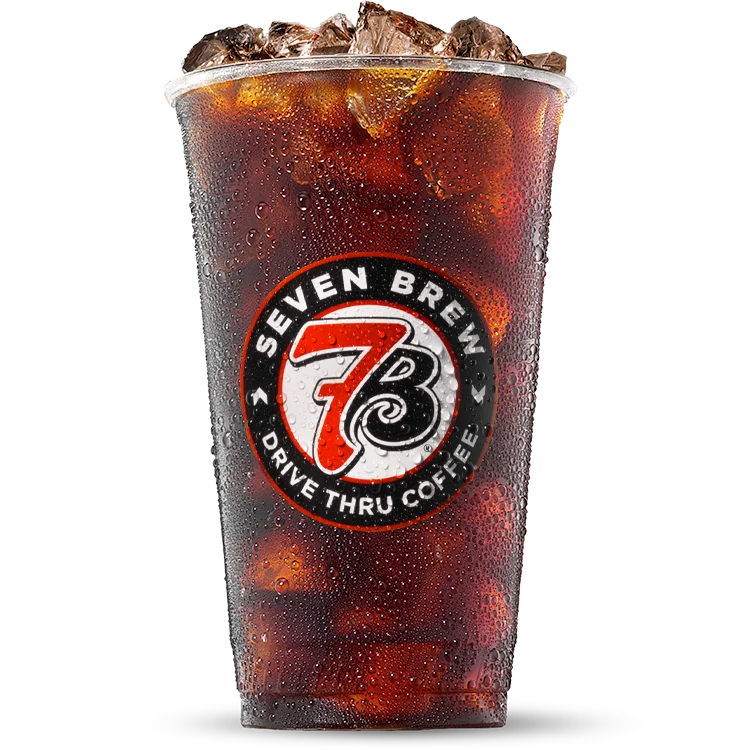
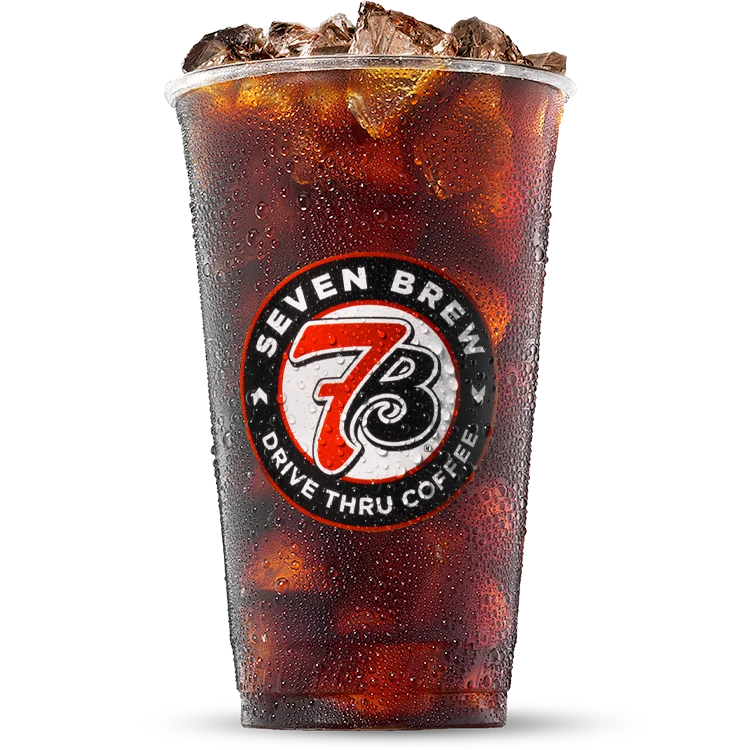
Ordering the same drink hot or iced at 7 Brew does not get you the same calorie count, even in the same cup size. Ice takes up space that liquid, milk, and syrup would otherwise fill, which means the iced version of a drink typically contains less actual milk and flavoring than its hot counterpart in an identically sized cup.
This is a question no competitor site has actually worked through with real numbers, so we built out the estimated difference for five of 7 Brew’s most popular coffee drinks below, along with the mechanism that explains why the difference exists in the first place.
Quick Answer: Iced drinks at 7 Brew generally run lower in calories than their hot equivalents at the same size, because ice displaces roughly 2 to 4 ounces of liquid that would otherwise be milk and syrup. We estimate this typically works out to a 10 to 20 percent calorie reduction for the iced version, though 7 Brew has not published a direct hot-versus-iced comparison to confirm exact figures.
Coffee Overview
This is a genuinely underexplored question in the 7 Brew content space. Menu boards and even most drink pages list a single calorie range that covers both hot and iced versions of a drink, without breaking out the actual difference caused by ice displacement. That single-range approach makes it easy to assume the hot and iced versions are calorically identical, which is not quite accurate.
The core mechanism is simple: 7 Brew’s cup sizes are fixed, but a cup filled with ice has less room for the actual drink. A hot Latte in a given cup size is essentially all espresso, milk, and syrup. The iced version of that same size cup gives up 2 to 4 ounces of that liquid volume to ice, meaning less milk and less syrup make it into the cup, which translates directly into fewer calories.
This is a straightforward physical principle rather than anything specific to 7 Brew’s recipes, but it is worth quantifying specifically for this menu since no published source has done so with actual estimated numbers attached to real drink categories.
Caffeine Breakdown
Temperature and preparation format do not meaningfully change caffeine content, only calories. The espresso shots going into a hot or iced version of the same drink and size are reportedly identical, so if you are optimizing purely for caffeine rather than calories, temperature is not a relevant variable in your decision.
Where this does intersect with caffeine is cold brew, which is a fundamentally different preparation method rather than a temperature variant of the same drink. The Cold Brew is steeped over an extended period rather than pulled as espresso, and it typically carries a different, often more concentrated caffeine profile per ounce than a standard iced coffee made from hot-brewed espresso poured over ice.
This distinction matters because a customer comparing an iced Latte to a Cold Brew might assume the difference is purely about temperature and flavor, when the actual caffeine extraction process behind each drink is genuinely different, independent of anything related to the calorie discussion in this article.
Estimated Calorie Difference by Drink
| Drink (Medium) | Hot (estimated) | Iced (estimated) |
|---|---|---|
| Latte | ~230-260 cal | ~190-220 cal |
| Breve | ~260-300 cal | ~220-260 cal |
| Mocha | ~270-310 cal | ~230-270 cal |
| Caramel Macchiato | ~240-270 cal | ~200-230 cal |
| House Blend | ~5-15 cal | ~5-10 cal |
These figures are our own estimate, not official 7 Brew nutrition data, built by applying the known ice-displacement principle (roughly 2 to 4 ounces less liquid in an iced cup of the same size) against typical calorie density for milk and syrup in each drink category. The House Blend shows a much smaller absolute difference simply because it carries almost no calories to begin with, plain drip coffee with no dairy or syrup by default, so ice displacement has little to work with either way.
The Breve and Mocha show the largest absolute calorie gaps in our estimate, since both carry a higher baseline calorie density from half-and-half and additional chocolate sauce respectively. When there is more calorie-dense liquid at stake, the same 2 to 4 ounce displacement removes proportionally more calories than it would from a lighter drink like an Americano.
Expert Tip: If you want to maximize the calorie savings of ordering iced, ask for extra ice specifically. More ice means less room for milk and syrup in the same cup, which pushes your actual calorie count lower than the standard iced preparation would give you by default.
Flavor Profile
Beyond calories, temperature genuinely changes flavor perception, not just the numbers. A hot breve reads noticeably more intense and coffee-forward, since heat carries aromatic compounds more effectively than cold liquid does. The iced version of the same drink, even accounting for its slightly lower milk volume, often tastes milder and sweeter by comparison, partly due to how cold temperatures suppress our perception of bitterness and partly due to the diluting effect of the ice itself as it melts.
This means the calorie reduction from ordering iced is not free of tradeoffs. You are getting fewer calories, but also a less concentrated coffee flavor, which is worth knowing if you specifically value a bold espresso character over the calorie savings.
This tradeoff is worth keeping in mind if you have ever felt that 7 Brew’s iced drinks taste noticeably milder than the hot versions and assumed it was just your imagination. It reflects a real combination of lower liquid volume, temperature-based flavor suppression, and gradual ice melt dilution, not an inconsistency in preparation.
The Physics Behind the Calorie Difference
A fixed cup size has a fixed total volume. When ice fills part of that volume, whatever liquid would otherwise be there, milk, syrup, water, or espresso, simply is not present in the same quantity. This is not a preparation shortcut or a recipe difference; it is a direct consequence of solid ice occupying space that liquid ingredients cannot simultaneously occupy.
The amount of ice used, and therefore the amount of liquid displaced, is not perfectly standardized across every order, since ice fill can vary somewhat by barista and by specific request. This is part of why our estimates are presented as a range rather than a single fixed number, and why requesting “extra ice” or “light ice” meaningfully shifts where your actual drink lands within that range.
Sweetness Level
Since iced drinks contain less total syrup volume due to ice displacement, they are also somewhat less sweet in absolute sugar terms than the hot version of the same drink, even though cold temperature can make sweetness read as more pronounced on the palate. This is a case where the numbers and the perception pull in different directions: fewer actual grams of sugar, but a sweeter-tasting experience due to temperature effects on taste perception.
If you are managing sugar intake specifically, the iced version’s lower absolute syrup volume is the more relevant number to track, even if your palate tells you a different story in the moment.
Customization Options
- Request extra ice on an iced order to push the calorie count even lower than the standard preparation.
- Request light ice if you actually want more of the milk and syrup volume in your iced drink, effectively moving it closer to the hot version’s calorie count.
- Order hot if bold, concentrated espresso flavor matters more to you than the modest calorie savings of an iced order.
- Combine a lower-calorie base, like an Americano, with your preferred temperature if calorie reduction matters more than the specific hot-versus-iced difference discussed here.
Best Time to Order
This is less about time of day and more about context. Iced is the practical choice for a hot afternoon or a longer drive where a hot drink would cool down unpleasantly before you finish it anyway. Hot makes more sense for a cold morning commute or any context where you actually want the drink to stay warm and want the fuller, more concentrated flavor that comes with it.
If calorie management is a daily priority rather than a one-off consideration, consistently choosing iced with standard or extra ice across your regular orders adds up to a meaningful cumulative reduction over weeks and months, even though the per-drink difference looks modest.
Seasonal habits are worth reconsidering through this lens. If you switch from a hot Latte in winter to an iced Latte in summer without changing anything else about your order, you are likely already getting a modest calorie reduction simply from that seasonal switch, without having done anything deliberate to achieve it.
Who Will Find This Useful
- Calorie-conscious customers: anyone tracking daily intake who wants to know the actual difference between their usual hot order and switching to iced.
- Customers who order the same drink year-round: people who might not have realized their winter hot order and summer iced order of the “same” drink carry different calorie counts.
- Anyone comparing 7 Brew to a calorie count from another chain: understanding that hot and iced are not calorically interchangeable helps make a fair comparison.
Alternatives for the Lowest Possible Calorie Count
If calorie reduction is your primary goal regardless of hot or iced, an Americano built on espresso and water rather than milk sidesteps the entire hot-versus-iced calorie question, since it carries minimal calories in either temperature. This is a more direct lever than the ice-displacement effect discussed throughout this article.
The House Blend and its Decaf counterpart are similarly low-calorie in either format, since both are plain drip coffee without dairy or syrup by default.
Common Mistakes to Avoid:
- Assuming hot and iced versions of the same drink and size have identical calorie counts. Ice displacement typically means the iced version has somewhat fewer calories.
- Assuming iced automatically means weaker coffee flavor for no reason. The flavor difference comes from real physical factors, aroma perception and dilution, not just assumption.
- Requesting light ice to get “more drink” without realizing this also increases the calorie count closer to the hot version’s level.
- Comparing a 7 Brew calorie figure to another chain’s listed number without checking whether both are quoting hot, iced, or a blended range, since this comparison can be misleading if the temperature basis differs.
Frequently Asked Questions
Does a hot breve have more calories than an iced breve?
Based on our estimate, yes. The hot version, without ice taking up cup space, holds more milk and syrup than the iced version of the same size, which translates to a somewhat higher calorie count for the hot preparation.
Why does ice change the calorie count at all?
Cup sizes are fixed, so ice occupies space that would otherwise be filled with milk, syrup, or espresso. Less of those calorie-carrying liquids fit in the cup when ice is present, which is the entire mechanism behind the calorie difference.
How much less liquid is in an iced drink compared to hot?
Based on general ice displacement in a comparable cup size, roughly 2 to 4 ounces less liquid volume in the iced version, though this can vary based on how much ice is used for a specific order.
Does requesting light ice increase the calorie count?
Yes, generally. Less ice leaves more room in the cup for milk and syrup, moving the iced drink’s calorie count closer to what the hot version delivers, since the same fixed cup has more space available for calorie-carrying liquid.
Are these calorie figures official 7 Brew data?
No. These are our own estimates built from the known ice-displacement principle and typical calorie density for milk and syrup, not figures published directly by 7 Brew Coffee Inc. Actual values can vary by location, recipe, and specific customization.
Is the caffeine content different between hot and iced versions?
No, temperature and preparation format do not meaningfully change the espresso shot count, so caffeine content should be effectively the same between hot and iced versions of the same drink and size.
Related Articles
- 7 Brew Latte Menu Page
- 7 Brew Breve Menu Page
- 7 Brew Hazelnut Americano Menu Page
- 7 Brew Cold Brew Menu Page
- 7 Brew Calorie and Price Calculator
Verdict
Temperature genuinely changes the calorie count of your 7 Brew order, not just the drinking experience. Iced versions run an estimated 10 to 20 percent lower in calories than hot versions of the same drink and size, purely because ice takes up space that milk and syrup would otherwise occupy. If calorie savings matter to you and you already prefer iced drinks, requesting extra ice pushes that savings even further; if bold coffee flavor matters more, hot remains the stronger choice despite the modest calorie tradeoff.
This is a genuinely useful piece of ordering knowledge precisely because it is invisible on the menu board. Nothing about a standard menu listing tells you that your iced order and your hot order of the “same” drink are not calorically equivalent, and knowing the actual mechanism behind that gap lets you make a more informed choice the next time you are deciding between the two.
Disclosure: sevenbrewmenucoffee.com is an independent, fan-run reference site and is not affiliated with, endorsed by, or operated by 7 Brew Coffee Inc. Calorie figures in this article are our own estimates based on standard ice-displacement principles and typical milk and syrup calorie density, not official nutrition data published by 7 Brew Coffee Inc. Actual values may vary by location, recipe, and customization.